If you plan to sell in San Clemente, one mistake can cost you real money: assuming the city’s coastal name alone will carry the price. Buyers are still active here, but they are paying close attention to condition, location, and value. If you want a smoother sale and stronger net proceeds, the right prep and pricing strategy matters well before your home goes live. Let’s dive in.
Why pricing discipline matters now
San Clemente is still one of Orange County’s higher-priced coastal markets, but current numbers show a more selective buyer pool. In March 2026, Redfin reported a median sale price of $1,685,000 and 41 days to sell, while Zillow showed a typical home value of $1,721,005, a median sale-to-list ratio of 0.982, and 19 days to pending.
That mix tells you something important. Homes are moving, but many buyers are negotiating. If you price based on city prestige instead of your exact neighborhood, condition, and competition, you risk sitting longer and giving up leverage.
Countywide, Orange County still looks relatively firm. Realtor.com reported about 7,300 listings countywide, a median listing price of $1,348,944, 43 days on market, and a 100% sale-to-list ratio, but San Clemente appears more price-sensitive than the county overall.
Price by micro-market, not by city average
San Clemente is not one uniform market. Realtor.com data show listing-price medians that vary widely by area, including about $2.25M in Talega, $1.92M in Forster Ranch, $1.29M in Rancho San Clemente, $1.70M in Marblehead Inland, and $2.2M in Lantern Village.
That is why citywide averages can mislead sellers. A realistic pricing strategy starts with sold comps in the same tract or a very similar micro-market, then adjusts for things like view, lot size, HOA factors, coastal exposure, bluff or canyon proximity, and whether prior improvements were properly permitted.
What buyers compare first
When buyers look at your home, they usually are not asking whether San Clemente is desirable. They already know it is. Instead, they are comparing your home against the most relevant alternatives in your exact area and price band.
That means your pricing conversation should focus on a few practical questions:
- What is the true comp set for your home?
- Are you competing with remodeled homes or original-condition homes?
- How close are you to the coast, bluff, or canyon?
- How much inventory is active in your immediate area?
- Do the home’s updates and permit history support the asking price?
Smart prep usually beats big remodels
For most San Clemente sellers, the best return does not come from a major renovation. It comes from visible, lower-friction updates that make the home feel clean, cared for, and easy to move into.
JLC’s 2024 Cost vs. Value report found that nine of the top 10 highest-ROI projects were exterior improvements. In the Pacific region, garage door replacement recouped 250.7%, steel entry door replacement 249.9%, manufactured stone veneer 203.5%, and a midrange minor kitchen remodel 134.3%.
NAR’s 2025 Remodeling Impact Report also found that REALTORS most often recommend painting the entire home, painting one room, and considering new roofing. The common thread is simple: buyers respond well to improvements they can see right away.
Best prep priorities for San Clemente sellers
If you are 6 to 12 months from listing, it often makes sense to focus on practical upgrades first:
- Fresh interior or exterior paint where needed
- Landscaping cleanup and curb appeal improvements
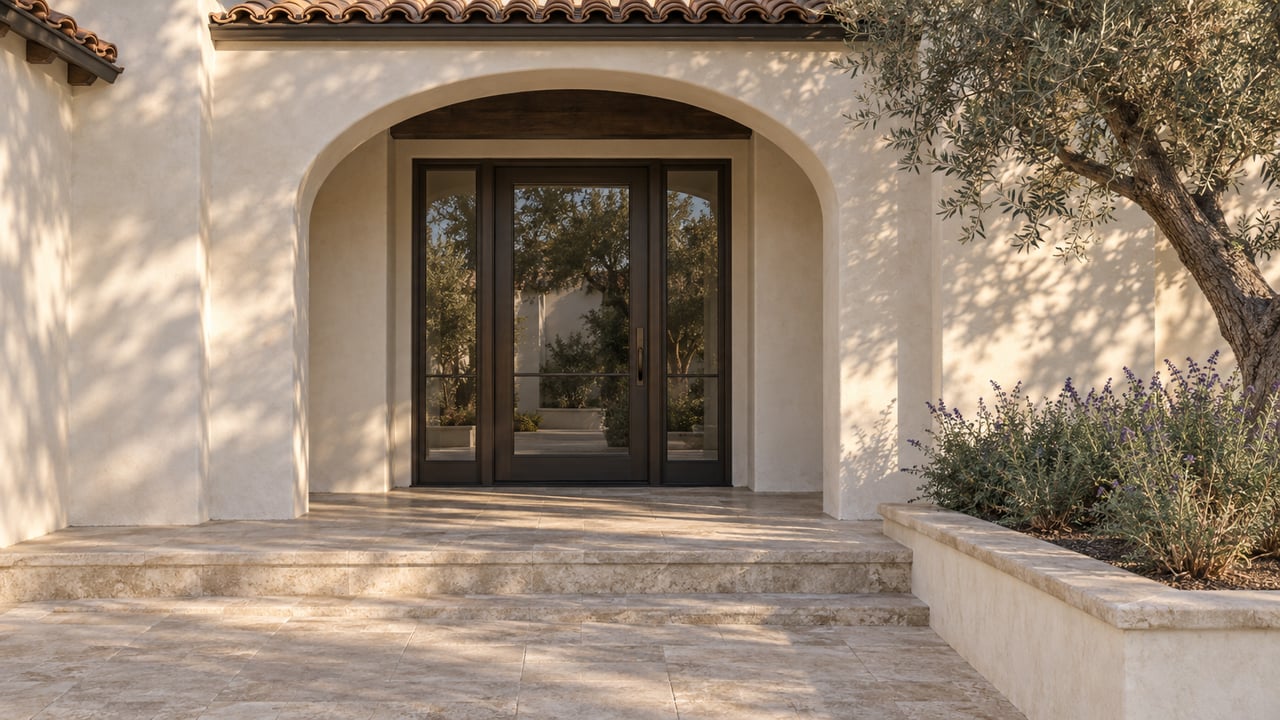
- Entry door or garage door upgrades
- Minor kitchen refreshes instead of full remodels
- Light repairs that remove buyer objections
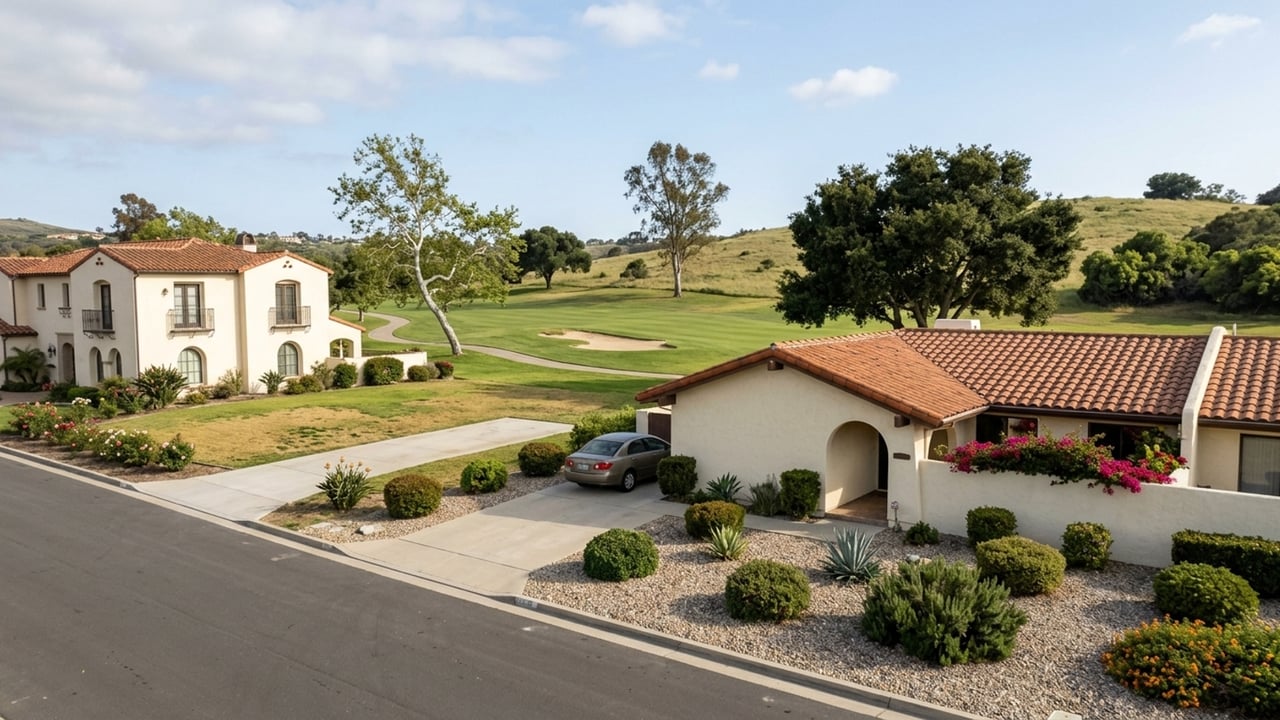
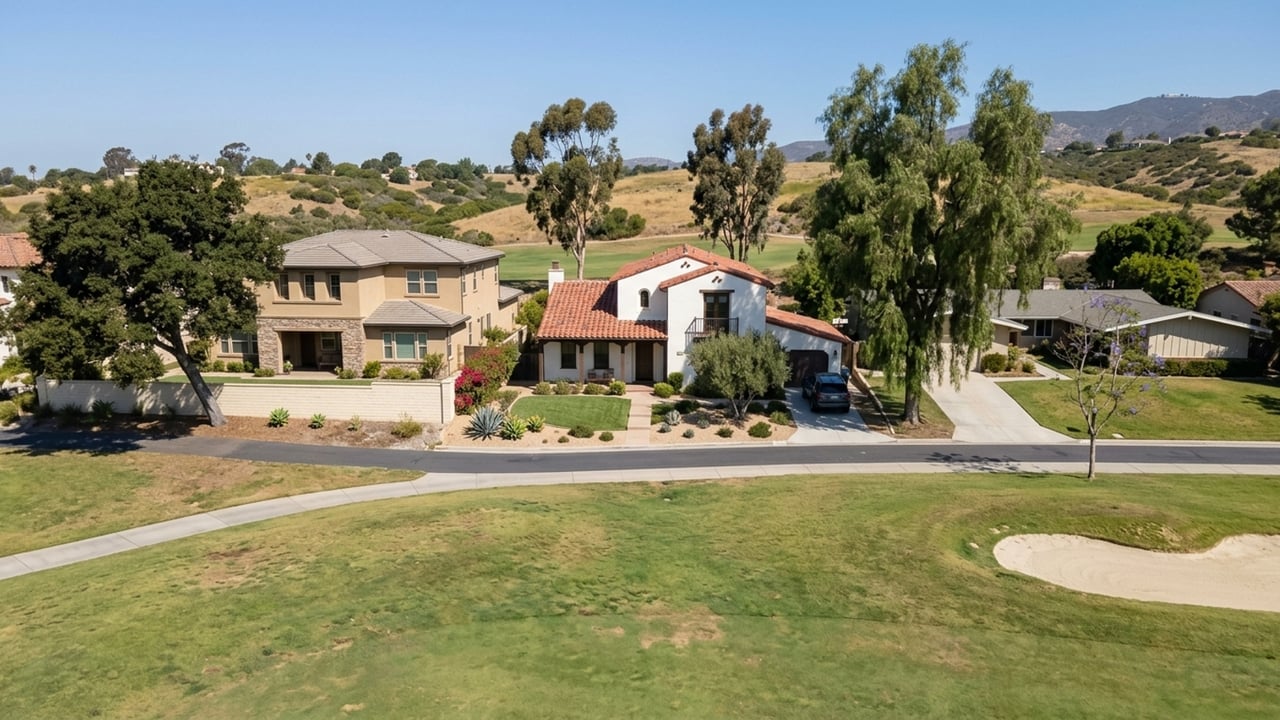
This approach is especially relevant in San Clemente, where the city highlights its outdoor lifestyle, coastal setting, and roughly 300 days of sunshine per year. First impressions matter here, and exterior presentation tends to carry real weight.
Where over-improving can hurt
It is easy to let prep turn into a lifestyle remodel. That is where sellers can lose focus.
The same JLC data show weaker resale recovery for larger, more personalized projects. In plain terms, you may spend more than the market is willing to pay back, even if the home looks nicer when you are done.
A smart prep plan is meant to improve marketability and support pricing, not to build your dream version of the house right before you leave it.
Exterior prep matters in San Clemente
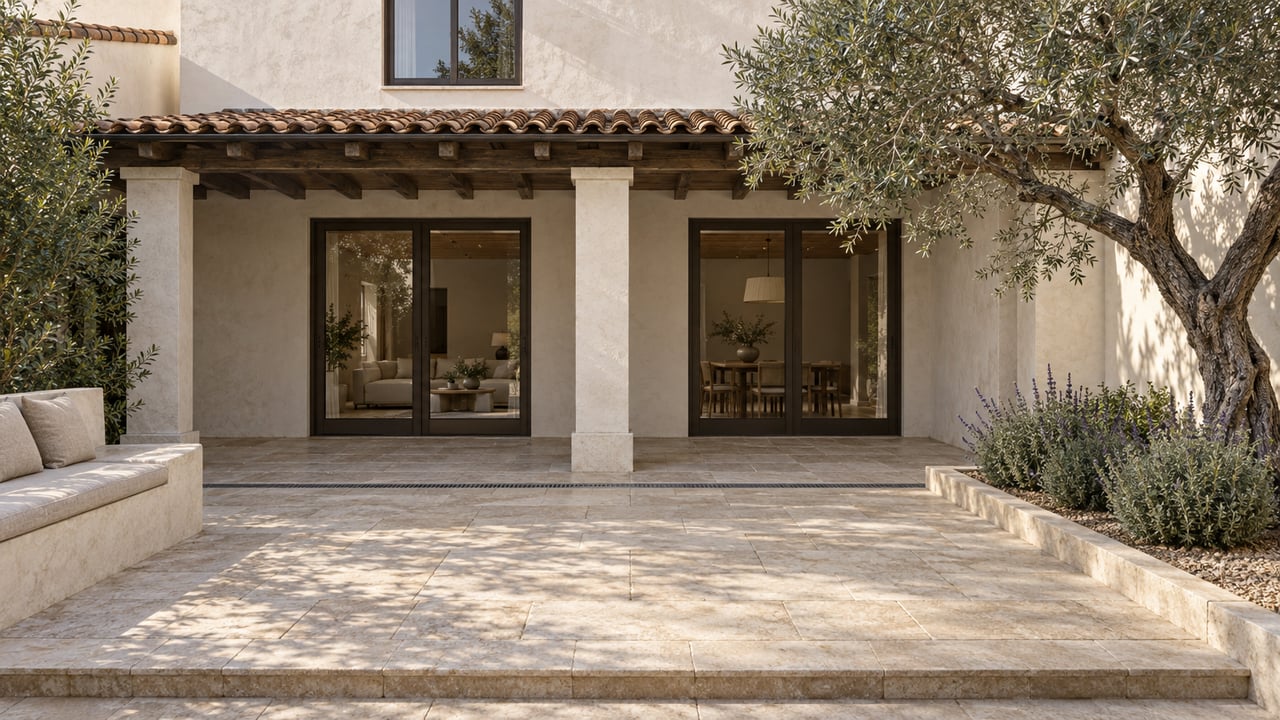
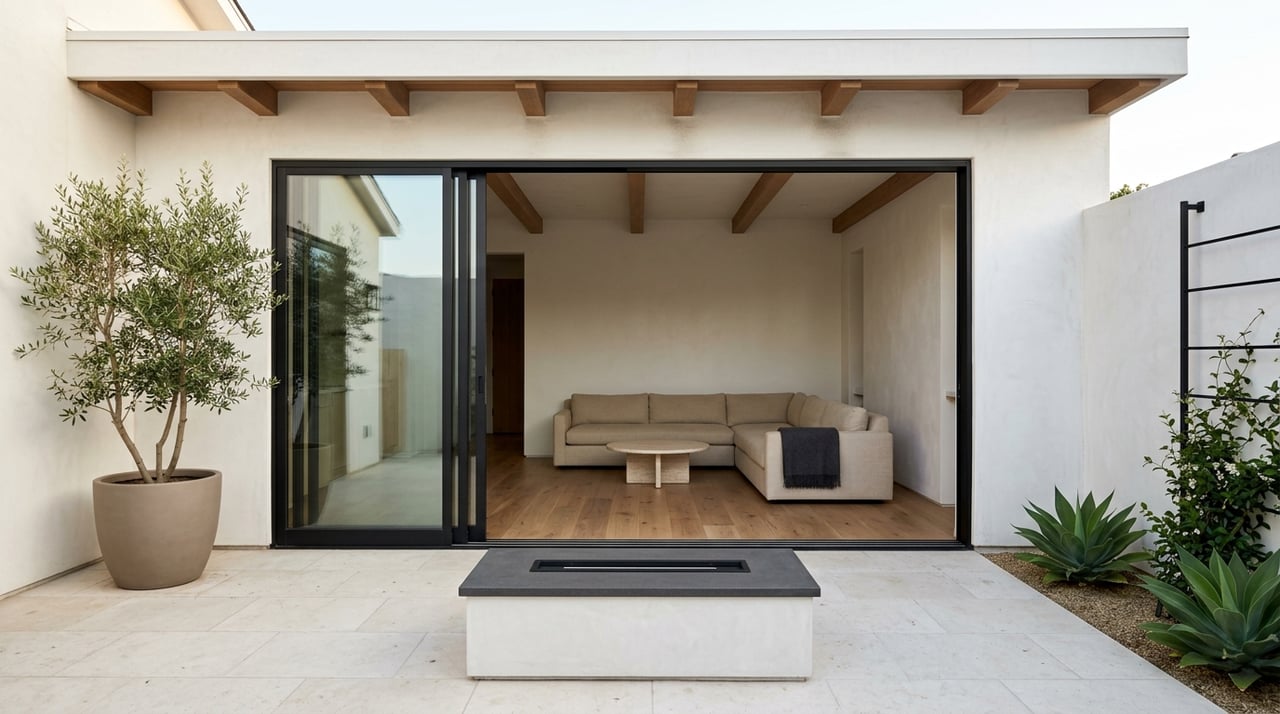
San Clemente’s setting makes outdoor presentation especially important. Clean lines, maintained hardscape, tidy landscaping, and strong indoor-outdoor flow can help your home feel more aligned with what buyers expect in this market.
The city also gives sellers some useful guidance. Landscape plans should emphasize drought-tolerant planting, with required plantings at least 60% California native species, and Orange County Fire Authority standards may apply in high-fire zones.
That does not mean every seller needs a full landscape redesign. It does mean you should think strategically about low-maintenance, visually clean exterior updates that fit local expectations and avoid creating permit or compliance issues late in the process.
Separate cosmetic updates from permit-heavy work
One of the most practical pre-list steps in San Clemente is figuring out which projects are simple touch-ups and which may require permits or additional review. The city notes that painting, countertops, and similar finish work are generally exempt, while reroofing, window replacement, and many structural improvements usually require permits.
That distinction matters when you are planning a timeline. Cosmetic work can often be done closer to list date, while permit-heavy projects may need much more lead time.
Check planning and design history early
In some parts of San Clemente, design rules can affect how updates are reviewed. The city says projects in the Architectural Overlay district, including the Pier Bowl, El Camino Real west of I-5, the Downtown Core, and North Beach, often require discretionary approval and design review.
Several Specific Plan areas also have their own design rules, including Forster Ranch, Marblehead Coastal and Inland, Pier Bowl, Rancho San Clemente, Talega, and West Pico Corridor. If your home has had additions, exterior changes, or prior Coastal Commission involvement, it is wise to request permit history, engineering history, and planning history before pricing the property.
Hazard and disclosure issues can affect pricing
In San Clemente, coastal location is not just a lifestyle feature. It can also be a pricing variable.
The city’s Local Coastal Program identifies hazards that can include coastal bluff erosion, slope instability, flooding, wave action, tsunami, fire hazards, storm surge, and rising sea levels. The city also notes that San Clemente sits in a wildland-urban interface, has flood insurance rate maps, and is TsunamiReady.
For sellers, this means due diligence matters before launch. If buyers may have questions about insurance, disclosures, site conditions, or long-term risk, it is better to address those issues early than let them disrupt escrow.
Why documentation supports buyer confidence
California’s Natural Hazard Disclosure Statement flags issues such as special flood hazard areas, high or very high fire hazard severity zones, wildland fire areas, earthquake fault zones, and seismic hazard zones. California also requires a Real Estate Transfer Disclosure Statement for residential transfers.
That does not mean every home has a major issue. It means your list price should reflect not only finishes and location, but also how clearly the property’s condition, hazard profile, and prior work can be documented.
When buyers feel uncertainty, they often respond by negotiating harder. When the file is clean and the pricing is grounded, confidence tends to improve.
Start earlier than you think
If you are aiming to sell in spring, waiting until the last minute can create unnecessary pressure. Realtor.com’s 2026 Best Time to Sell report said the best week nationally was April 12 to 18, and it noted that sellers in the South and West often benefit from early-spring timing and should start preparing well in advance.
For San Clemente homeowners, that makes a 6 to 12 month runway feel very reasonable, especially if the home needs painting, landscaping, repairs, permit cleanup, or documentation work. Starting early gives you more room to make thoughtful decisions instead of rushed ones.
A simple seller roadmap
If you are planning ahead, this sequence can help:
- Review your likely comp set by micro-market
- Identify visible prep items with the strongest payoff
- Separate cosmetic work from permit-heavy projects
- Pull permit, planning, or engineering history if needed
- Review potential hazard and disclosure considerations
- Time the launch based on market conditions and readiness
This is the kind of planning that helps protect both price and momentum.
The bottom line for selling in San Clemente
In today’s San Clemente market, smart selling is usually not about doing the most. It is about doing the right things in the right order.
A well-prepared home with disciplined pricing, clean documentation, and neighborhood-specific positioning is more likely to attract serious buyers and hold stronger negotiating power. If you start early, focus on visible condition, and price against your real competition, you put yourself in a much better position to sell with confidence.
If you are thinking about selling in San Clemente and want a calm, strategic plan built around your home and timing, Colin Farris can help you map out the prep, pricing, and next steps.
FAQs
How should you price a home in San Clemente?
- The strongest approach is to price from the most relevant sold comps in your same tract or micro-market, then adjust for condition, view, lot, HOA factors, coastal exposure, and permit history rather than relying on a citywide average.
What home improvements usually help San Clemente sellers most?
- Visible updates such as paint, landscaping cleanup, entry and garage door upgrades, light repairs, and small kitchen refreshes often offer a better return than large, personalized remodels.
Do San Clemente sellers need to check permits before listing?
- Yes, especially if the home has had additions, exterior changes, reroofing, window replacement, or work in areas with design review rules, since permit and planning history can affect pricing and buyer confidence.
Can hazard issues affect a San Clemente home sale?
- Yes, because local coastal and hillside conditions may raise questions about flooding, fire zones, slope issues, bluff erosion, or other disclosure items that can influence insurance, buyer perception, and negotiations.
When should you start preparing to sell in San Clemente?
- If your home needs repairs, paint, landscaping, or document cleanup, starting 6 to 12 months before your intended list date can give you more flexibility and a better launch plan.