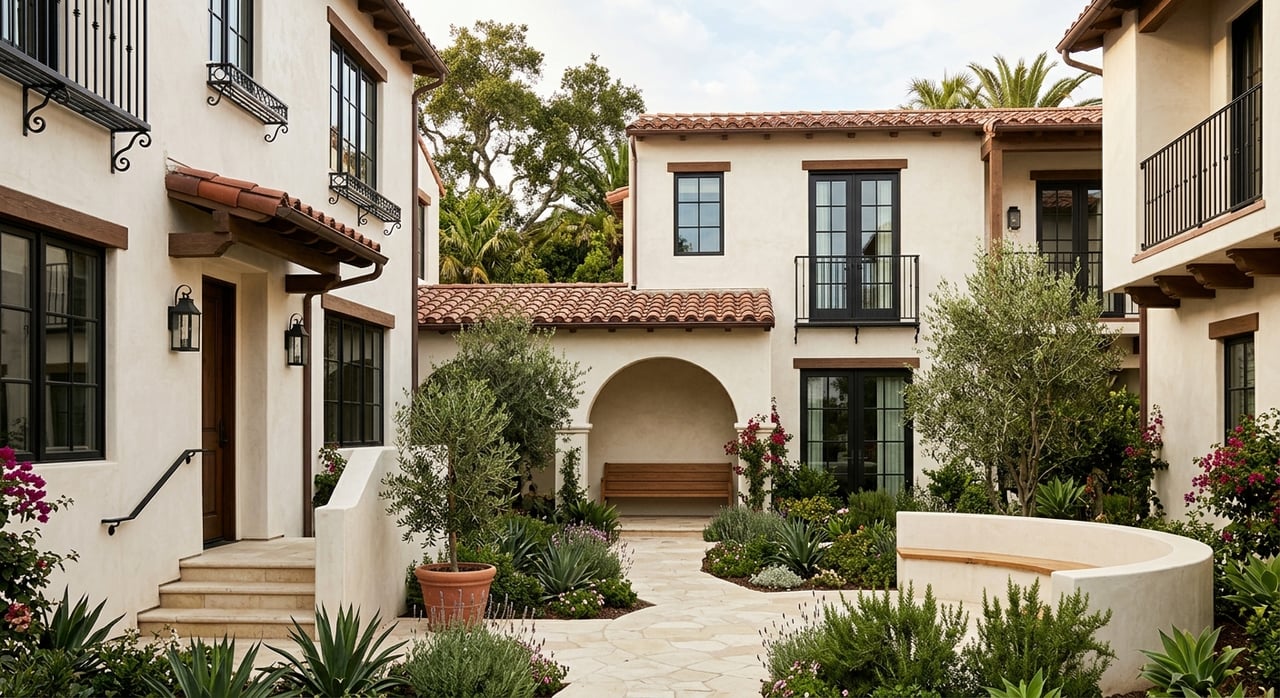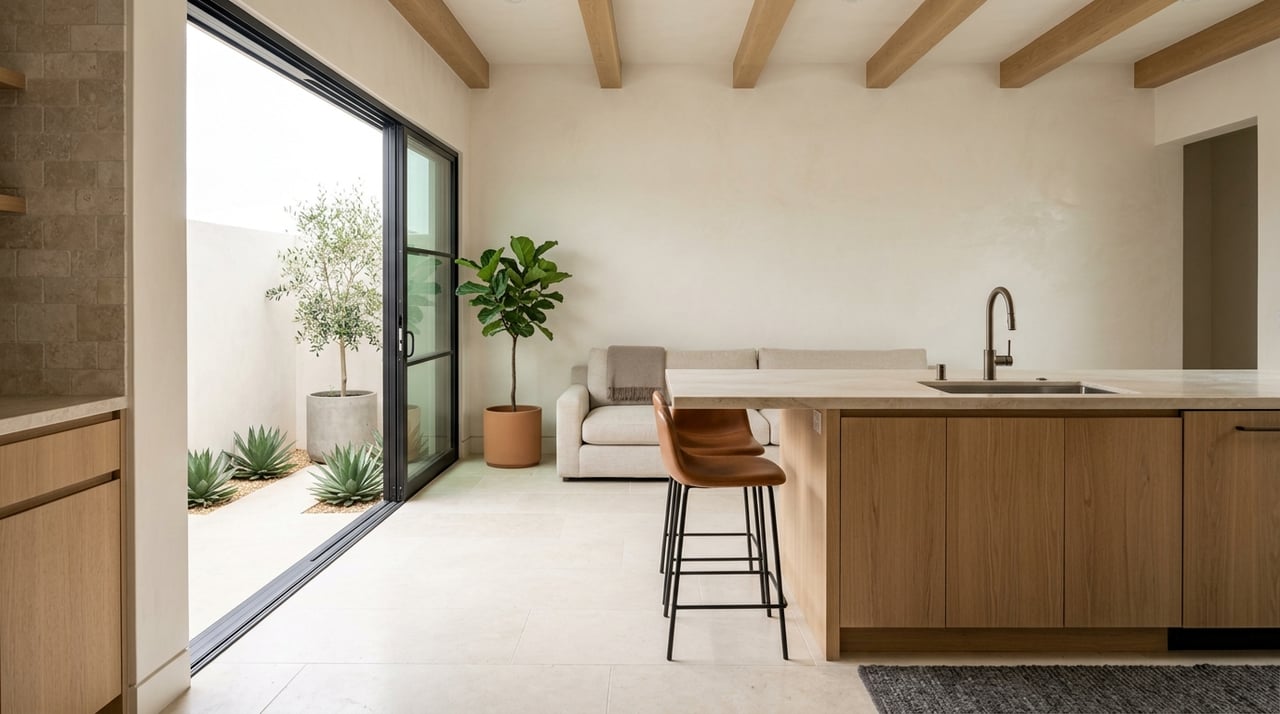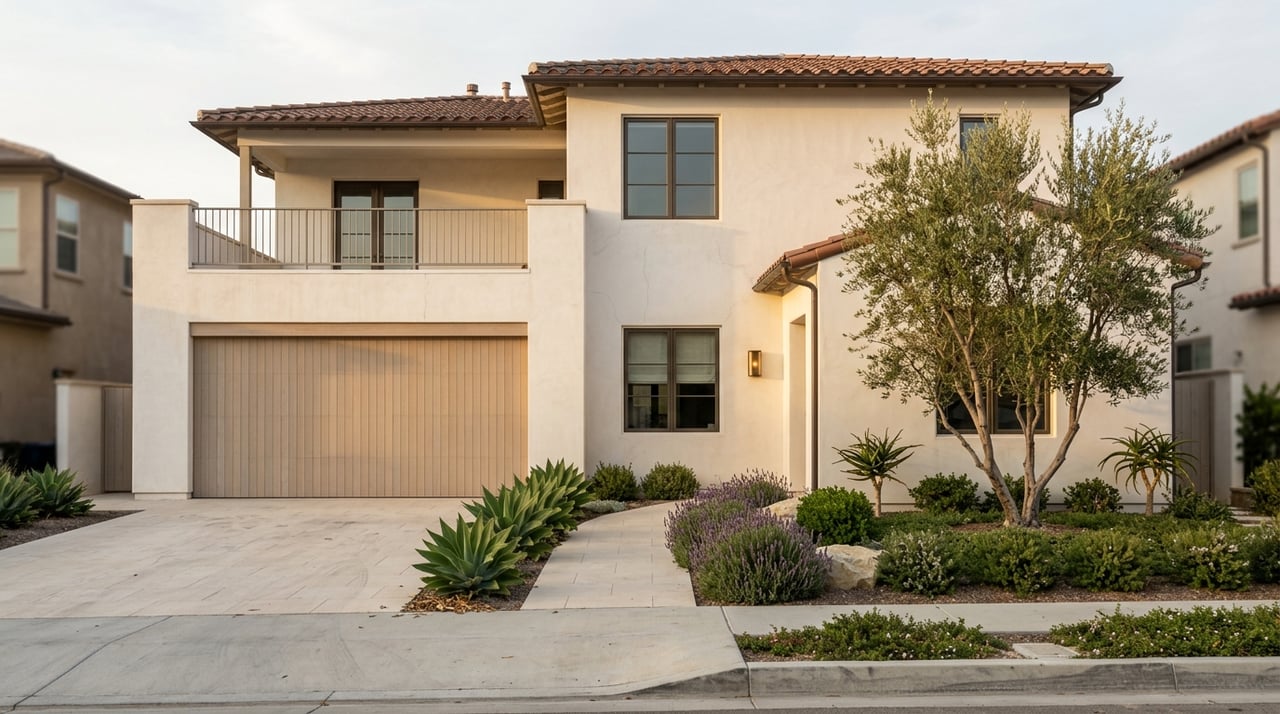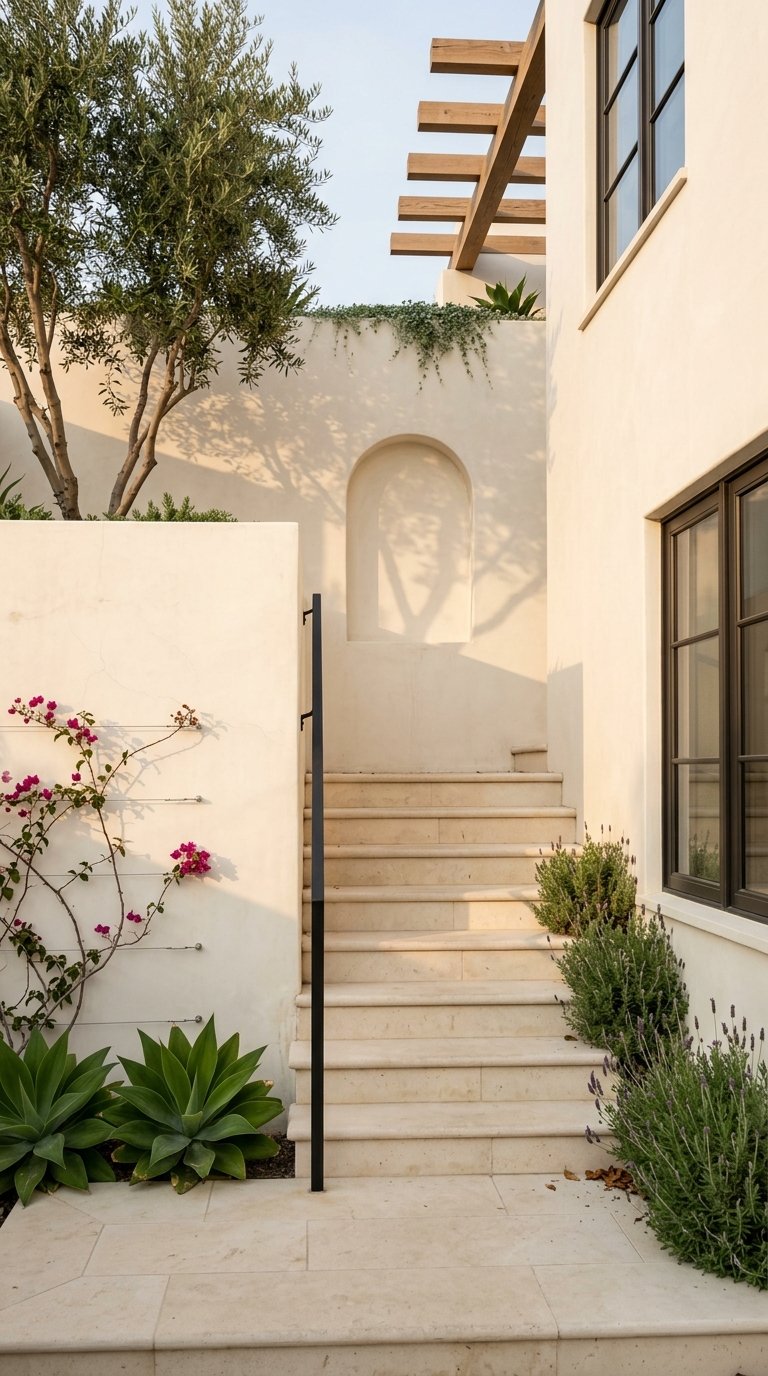
Wondering why one part of Laguna Beach feels like a walkable village while another feels tucked into a steep hillside or hidden near a quiet cove? That is a common question for buyers exploring this market, and it matters more here than in many other coastal cities. Laguna Beach may be small, but its terrain, street patterns, housing history, and beach access points create very different day-to-day living experiences. If you are trying to figure out which area fits your lifestyle, this guide will help you understand the big differences and what to pay attention to before you buy. Let’s dive in.
Why Laguna Beach Feels So Varied
Laguna Beach covers about 8.84 square miles and has roughly 23,000 residents, but it does not feel uniform from one neighborhood to the next. The city describes it as a walkable beach town with a village atmosphere, yet that village feel changes depending on whether you are near the coast, in a canyon, or up on a ridge.
A big reason is the land itself. Cliffs, coves, rolling hills, canyons, and sloped streets shape how neighborhoods were built and how they function today. City planning documents reflect that reality, with different specific plans and design guidelines for areas like Downtown, South Laguna, Arch Beach Heights, Diamond/Crestview, Laguna Canyon, and Treasure Island.
That planning history helps explain why Laguna Beach does not read like a typical grid city. In many parts of town, homes were designed to fit the terrain rather than flatten it. You can feel that in the streetscape, the lot shapes, the views, and even the way homes sit on a hillside.
Downtown and Main Beach
If you want the most classic Laguna Beach experience, Downtown and Main Beach are usually the easiest places to picture first. This area serves as the city’s social, cultural, civic, artistic, and recreational center, with Main Beach at Broadway and Ocean acting as a central gathering point.
Main Beach is the largest and most popular beach in Laguna Beach, and it includes a boardwalk with easy access to nearby dining and shopping. For many buyers, that translates into the strongest daily walkability and the most recognizable village atmosphere in town.
Housing here also tends to reflect Laguna’s earlier development pattern. The lower beach area includes many older structures, and city historic materials note that about 25% of lower Laguna Beach housing stock is pre-1940 and retains original architectural integrity. In practical terms, that often means smaller-scale homes, cottages, and more urban-feeling beach-close properties rather than larger hillside homes.
North Laguna
North Laguna offers a beach-close setting too, but it has a slightly different feel from Downtown. Historically, the area was subdivided on a more regular street pattern than much of the city, which can make it feel a bit more orderly while still keeping Laguna’s custom coastal character.
This part of town includes well-known coastal landmarks like Crescent Bay Beach and Heisler Park. That combination gives North Laguna a strong mix of cliffside scenery, coastal access, and an established residential feel.
The housing story here also ties back to Laguna’s early growth. City historic records include older homes and cottages on streets such as Cliff Drive, North Coast Highway, and Ocean Way. As a result, North Laguna often feels more rooted in original coastal development than in newer tract-style planning.
Lower Laguna’s Historic Character
If older coastal charm is high on your list, Lower Laguna deserves close attention. The city’s historic resources point to a concentration of early beach cottages, hotel apartments, and pre-1940 buildings in the lower city.
That history still shapes the neighborhood experience today. You may find homes with smaller footprints, custom details, and a closer relationship to the street and surrounding village fabric. For buyers who value character and proximity to shops, restaurants, and the shoreline, that can be a major draw.
At the same time, older housing often comes with tradeoffs. Layouts, parking, lot dimensions, and storage may look different from what you would expect in newer suburban neighborhoods. In Laguna Beach, those differences are often part of the appeal, but they should still be part of your evaluation.
Hillside Neighborhoods and View Areas
For many buyers, Laguna Beach is just as much about hillside living as it is about the sand. Neighborhoods above the village often offer privacy, broader view corridors, and distinctive custom homes, but they also come with a different set of practical considerations.
City planning documents consistently emphasize slope, view protection, safety, and fire planning in these areas. That means narrower streets, more grading, unique lot geometry, and stronger sensitivity to access and defensible space than you would typically see in flatter parts of Orange County.
Arch Beach Heights
Arch Beach Heights is one of the clearest examples of a terrain-driven neighborhood. The city describes it as a single-family home area with steep topography, narrow lots, and a constrained street system.
Most lots are about 25 by 100 feet, and homes often step down the hillside. The city also notes privacy, parking, safety, and visibility constraints in this area, which makes it a good example of how Laguna’s views and topography often go hand in hand with tradeoffs.
Diamond and Crestview
Diamond/Crestview is another hillside setting, but it tends to read a little more rustic in character. The city describes steep and varied topography, ridgelines, rock outcroppings, and constrained streets as defining elements of the area.
Its specific plan was created to protect views and rustic character while allowing safe development. For buyers, that means this area is less about uniformity and more about site-specific design, natural features, and the realities of building on challenging terrain.
Bluebird Canyon
Bluebird Canyon is another important neighborhood to understand because it highlights how infrastructure and topography intersect in Laguna Beach. It sits above Bluebird Beach and shares many of the same terrain-related considerations seen in other hillside pockets.
The city has active utility undergrounding work in Bluebird Canyon and has also proposed fuel-break projects for wildfire defensible space. That does not define the neighborhood by itself, but it does show how slope, utility planning, and fire preparation are part of daily life in this section of town.
Top of the World and Alta Laguna
Top of the World and Alta Laguna feel more ridge-top and inland than beach-adjacent. Alta Laguna Park is located at 3300 Alta Laguna Drive, and city fire planning documents include the Nestall and Top of the World area in fuel-modification work.
For many buyers, this part of Laguna offers a higher, airier setting with broad views and a bit more separation from the village core. The tradeoff is that you are generally farther from immediate beach access than you would be in Downtown, North Laguna, or some South Laguna pockets.
South Laguna and Secluded Coastal Pockets
South Laguna has a very distinct identity within the city. According to the city’s design guidelines, the area is shaped by ocean and hillside views, steep topography, coves, inlets, rocky outcrops, and a landscape pattern that often includes native shrubs and drought-tolerant planting.
Architecturally, South Laguna is also intended to feel varied rather than standardized. The city’s guidelines stress that homes should fit sloping sites instead of forcing generic flat-lot solutions. That approach helps explain why the area often feels more tucked in, layered, and site-specific.
Historically, South Laguna’s growth accelerated after Pacific Coast Highway opened in 1926. The city’s historic resources also note the development of South Laguna Village and Three Arch Bay beginning in the late 1920s, with the Three Arch Bay Association formed in 1936 to oversee architectural character and preserve a small-scale private feel.
Woods Cove and Bluebird Beach
If you are drawn to smaller coves instead of one central beach scene, this part of Laguna may stand out. The city identifies Woods Cove as including Woods Cove and Lovers’ Cove, while Bluebird Beach is accessed at South Coast Highway and Bluebird Canyon.
These areas help create South Laguna’s more secluded coastal personality. Beach access is still part of daily life, but it tends to happen through smaller access points rather than through one large, central beachfront environment like Main Beach.
Treasure Island
Treasure Island is one of the most distinctive beach-close areas in Laguna Beach. The city’s specific plan describes it as a mixed-use area with hotel, park, condominium, and single-family residential development.
What makes it especially interesting is the balance between public access and residential living. The city states that ocean views and public access are paramount here, and residential design is intended to remain low-profile.
Victoria Beach and Three Arch Bay
Victoria Beach is known for tidepools, and the city notes that it does not have a public restroom. That is a small detail, but it is a good example of why understanding beach access logistics matters when comparing neighborhoods in Laguna Beach.
Three Arch Bay offers another version of South Laguna living. City documents identify it as an 88-acre gated community, and city fuel-modification schedules include it as an active maintenance area. That reinforces two important themes in Laguna Beach: privacy and wildfire planning often exist side by side.
What Buyers Should Watch Closely
In Laguna Beach, the view is only part of the story. The city’s neighborhood plans and public information make it clear that parking, slope, access, and fire planning are core parts of how many neighborhoods function.
Here are a few practical issues worth weighing as you compare areas:
- Parking: Some beach-close neighborhoods have limited parking, especially near popular access points.
- Visitor traffic: Central beach areas and popular coves can see heavier activity than buyers expect.
- Street access: Hillside neighborhoods may have narrower streets and more constrained circulation.
- Lot geometry: Steep lots, narrow lots, and stepped building sites can affect layout and usability.
- Wildfire planning: Fuel modification, defensible space, and evacuation considerations matter in many hillside and canyon areas.
Laguna Beach also offers a free coastal trolley that runs between North Laguna and Heisler Park, downtown, South Laguna and Mission Hospital, and the Ritz Carlton area. The city also provides an on-demand neighborhood transit service, which can be useful in a town where access and parking are regular considerations.
How to Match the Neighborhood to Your Lifestyle
The right Laguna Beach neighborhood often comes down to how you want to live day to day. If walkability and a classic beach-town setting matter most, Downtown and Main Beach are often the clearest fit.
If you are looking for older coastal character, Lower Laguna and North Laguna tend to stand out. If privacy, views, and custom hillside architecture are the priority, areas like Arch Beach Heights, Diamond/Crestview, Bluebird Canyon, and Top of the World may deserve a closer look.
And if your ideal setting is a quieter coastal pocket with smaller coves and a more tucked-away feel, South Laguna, Treasure Island, Woods Cove, Victoria Beach, and areas near Three Arch Bay may be the right direction. The key is to evaluate not just the scenery, but also the daily logistics that come with each location.
If you are thinking about buying in Laguna Beach, working with an advisor who understands how topography, access, housing character, and neighborhood feel all connect can make the search much more strategic. If you want help comparing areas and narrowing in on the right fit, Colin Farris is here to help.
FAQs
Which Laguna Beach neighborhoods are most walkable?
- Downtown and Main Beach are the strongest options for walkability, with close access to the boardwalk, dining, shopping, and the village core.
Which Laguna Beach neighborhoods have the most hillside terrain?
- Arch Beach Heights, Diamond/Crestview, Bluebird Canyon, and Top of the World are some of the clearest examples of slope-driven Laguna Beach neighborhoods.
Which Laguna Beach areas have the oldest homes?
- Lower Laguna and parts of North Laguna have some of the strongest concentrations of pre-1940 homes and historic coastal architecture.
Which Laguna Beach neighborhoods feel more secluded?
- South Laguna pockets such as Woods Cove, Bluebird Beach, Treasure Island, Victoria Beach, and areas near Three Arch Bay tend to feel more tucked away than the central village core.
What should buyers consider besides ocean views in Laguna Beach?
- Buyers should pay close attention to parking, street access, slope, lot shape, visitor traffic, and wildfire planning, since those factors are central to how many Laguna Beach neighborhoods function.