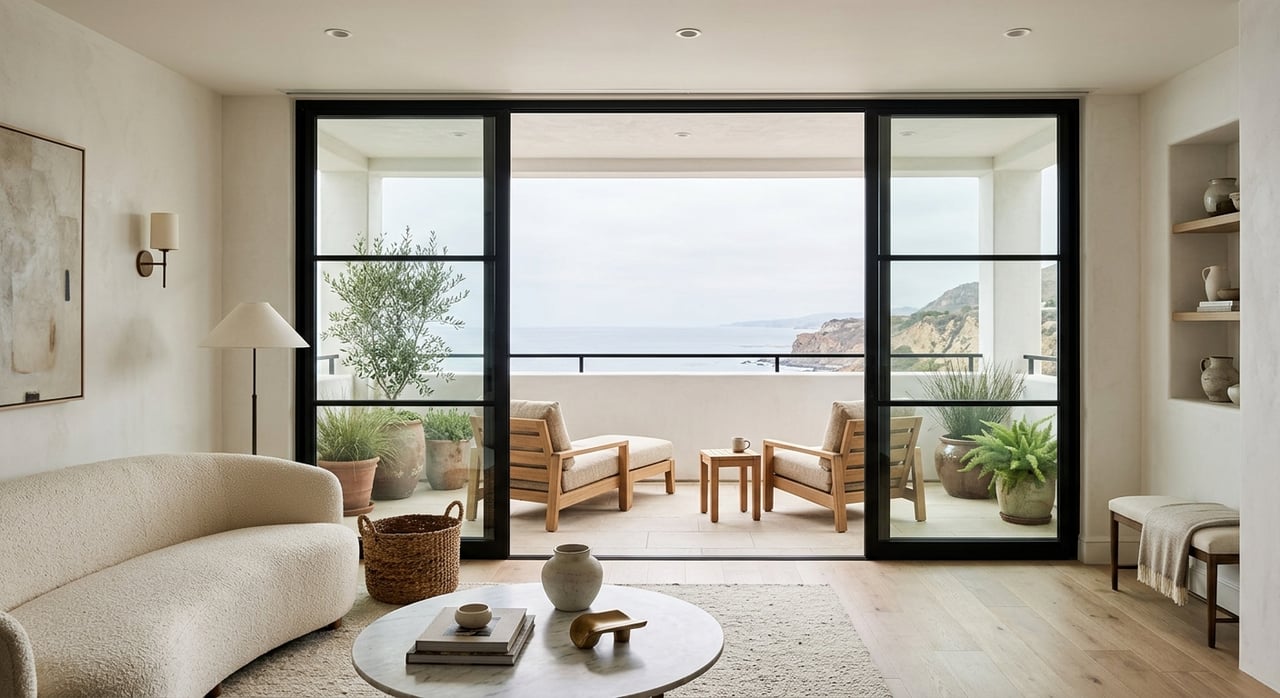
If you are thinking about buying a condo near Dana Point Harbor, you are probably looking for more than just square footage. You are buying into a coastal lifestyle, easy harbor access, and a location that can feel very different from one building to the next. The good news is that with the right due diligence, you can sort through the trade-offs and focus on the condo that truly fits your goals. Let’s dive in.
Why Dana Point Harbor condos stand out
Dana Point Harbor is a county-managed waterfront district with walking paths, dining, shopping, harbor views, and frequent public activity. That makes it appealing if you want a home close to the water and within reach of everyday coastal amenities.
It also means this is not a typical inland condo search. Harbor access, visitor traffic, parking patterns, and phased construction can all affect your day-to-day experience. If you are comparing properties near the harbor, those details matter just as much as the floor plan.
What the current market looks like
Inventory near the harbor is fairly tight. Recent market snapshots show 9 condos for sale in the Harbor area at a median listing price of $2.2 million, while the broader Dana Point condo market shows 31 active listings.
That range is wide. Current examples run from smaller established-community condos around $595,000 to $699,999, up to newer beach-close product in the roughly $1.895 million to $2.48 million range, with top-tier luxury inventory reaching $6.799 million.
For broader context, Dana Point’s estimated average home value was $1,738,852 as of April 30, 2026, and homes were going pending in about 31 days. In a market like this, preparation matters because well-positioned properties can still move quickly.
What different price points may buy
Entry-level condo options
At the lower end, current listings include one-bedroom, one-bath condos around 650 to 786 square feet, generally priced from about $595,000 to $699,999. Examples in communities like Corniche and Quail Run sometimes include features such as a garage or peek ocean views.
These homes can be a practical way to get close to the coast without entering the top pricing tiers. Still, the lower purchase price does not remove the need to review HOA finances, rules, and maintenance responsibility.
Mid-range harbor-close choices
In the roughly $900,000 to $1.3 million band, you will typically see two-bedroom condos with more interior space, often around 1,130 to 1,730 square feet. Current examples in this range often highlight layout, orientation, and proximity to the harbor.
This can be an important price band for buyers who want more flexibility for guests, a home office, or a second-home setup. In this segment, value often comes down to the details, especially views, parking, and HOA quality.
Newer and higher-end product
From about $1.5 million to $2.5 million, newer beach-close condo options become more common. Current examples include units with two bedrooms, two to three baths, roughly 1,469 to 1,836 square feet, EV charging, and two garage spots.
These homes may offer a more modern ownership experience, but monthly dues can also rise. Several current examples in this range show HOA dues around $774 to $780, which is why it is important to look closely at what those dues cover.
HOA review matters more than many buyers expect
When you buy a condo in California, you are usually buying a separate interest in the interior space plus an undivided interest in the common area. That sounds simple, but near the harbor, it can affect how you think about maintenance, repair risk, and long-term costs.
Under California law, many exterior features may be treated as exclusive use common area unless the governing documents say otherwise. That can include balconies, patios, porches, windows, and exterior doors. If a condo’s value depends in part on a view balcony or specific window line, you will want to understand exactly who maintains what.
Key documents to review
Before closing, the seller must provide important HOA documents and disclosures. These include:
- Governing documents
- The most recent annual budget report
- Reserve information
- Current assessments and unpaid charges
- Unresolved violation notices
- Any rental restriction statement
If requested, you can also receive additional records such as board minutes from the previous 12 months and the latest exterior elevated elements report. If a written request is made, the association must provide requested documents within 10 days.
Why reserves deserve close attention
The annual budget report includes a reserve summary, loan information, and a summary of the association’s property, liability, earthquake, flood, and fidelity insurance. California also requires a visual reserve study at least every three years, annual review of that study, and for condominium projects, a visual inspection of exterior elevated elements at least every nine years.
For you as a buyer, the practical question is simple: does the HOA appear financially prepared for major repairs? If reserve funding looks weak, or recent inspections point to meaningful work ahead, a special assessment may be more plausible.
Parking can change your ownership experience
Parking is one of the biggest harbor-area variables. The official harbor parking information says the new parking structure at 799 Harbor Way offers the first 4 hours free, then $6 for each additional hour up to a $24 daily maximum, with a $24 lost-ticket fee.
The same harbor materials note that designated boater permit stalls are restricted, retail and customer parking is free for up to 4 hours while patronizing harbor businesses, overnight parking is prohibited in surface lots, and some nearby street parking is free. That setup may be manageable for a casual visit, but daily ownership is a different question.
Parking questions to ask before you write an offer
- Is the unit assigned one garage, two spots, tandem parking, or no enclosed parking?
- Is there guest parking, and if so, how is it managed?
- Are there EV charging options?
- Do the written HOA rules limit parking use in any way?
- If you expect regular visitors, where will they realistically park?
Near Dana Point Harbor, parking rights are part of the value equation. A great floor plan can lose appeal quickly if parking is inconvenient for your routine.
Harbor activity and construction are real factors
Dana Point Harbor is an active visitor destination with whale watching, ocean activities, dining, and shopping. Because of that, you should expect more visitor traffic and parking pressure than in a purely residential neighborhood.
There is also an ongoing revitalization process in the harbor area. Official updates show that the new Golden Lantern entrance and parking structure are open, while construction in the commercial core is still being phased. That means access, traffic flow, and parking patterns can change over time.
If you are buying nearby, it is worth verifying the current construction phase before making an offer. Even a strong condo can feel different depending on temporary access routes, nearby work, or shifts in parking flow.
Views vary more than listings suggest
One of the biggest draws near the harbor is the potential for ocean or harbor views. At the same time, those views can vary sharply based on building location, floor level, and orientation.
Current listings often market peek ocean views, harbor views, or rooftop views. In practice, there can be a major difference between a true sit-down water view and a narrow angle visible from one corner of a balcony. If a view is driving your budget, make sure you verify what you are actually getting.
Smart due diligence before making an offer
A condo near Dana Point Harbor is not just about bedrooms and baths. It is also about rules, shared expenses, parking rights, and how the property functions in a high-activity coastal setting.
Before you move forward, focus on these questions:
- What exactly comes with the unit in writing, including parking and storage?
- What do the CC&Rs say about balconies, windows, rentals, pets, and guest parking?
- Does the reserve study suggest healthy funding?
- Are there unresolved violations, litigation issues, or recent elevated-element findings?
- Is the property in a mapped flood area, based on the Natural Hazard Disclosure Statement?
- Could nearby harbor construction affect access, noise, parking, or views during your ownership period?
These are the kinds of details that can protect you from surprises after closing. In a coastal condo purchase, the unit itself is only part of the story.
The bottom line for harbor condo buyers
Buying a condo near Dana Point Harbor can be a great move if you want coastal access, a lock-and-leave lifestyle, or a beach-close second home. But the best purchase is not always the one with the flashiest photos or the highest floor.
Usually, it is the condo where the value makes sense across the full picture: price, HOA health, parking, view quality, rules, and day-to-day livability. If you approach the search with that mindset, you will be in a much stronger position to buy with confidence.
If you want a calm, strategic read on harbor-area condos in Dana Point, Colin Farris can help you evaluate the details that matter before you make a move.
FAQs
What should you check in an HOA before buying a Dana Point Harbor condo?
- Review the governing documents, annual budget report, reserve summary, insurance summary, current assessments, unresolved violations, rental restrictions, and any available board minutes or exterior elevated elements reports.
How much do condos near Dana Point Harbor cost?
- Current listings range from about $595,000 for smaller one-bedroom condos to $2 million plus for newer beach-close units, with luxury condo inventory reaching about $6.799 million.
Why is parking such a big issue near Dana Point Harbor condos?
- Dana Point Harbor is an active visitor destination, and official parking rules include time limits, paid parking after the first 4 hours in the structure, restricted permit areas, and no overnight parking in surface lots.
Do condo balconies and windows count as private property in California condos?
- Not always. California law treats many features such as balconies, patios, windows, and exterior doors as exclusive use common area unless the governing documents state otherwise.
Should you worry about harbor construction when buying nearby?
- It is worth checking. Official harbor updates show ongoing phased revitalization, so access, parking, traffic flow, and nearby activity can change over time.